

DRY EYE CARE • BURLEIGH & TWEED
Dry eye treatment on the Gold Coast
Gritty, burning or watery eyes are usually a sign your tear film isn't doing its job. We find out why first, then build a treatment plan around your eyes and your everyday life.
No referral needed · Two Gold Coast clinics
Signs and Causes
Does this sound familiar?
- Gritty, scratchy or burning eyes
- Redness or irritation
- Blurred vision that clears when you blink
- Watery eyes, especially in wind or air conditioning
- Tired eyes after screen time or reading
- Contact lenses that feel uncomfortable by the end of the day
Most people have more than one thing going on, which is why we test before we treat.
Common contributing factors
Understanding dry eye
Why dry eyes can water
It sounds backwards, but watery eyes are a common dry eye symptom.
When the eye surface isn't well lubricated, it triggers reflex tears. These are thinner and less stable, so they run off or evaporate before they can do their job. There are two main types of dry eye:
Aqueous deficient dry eye
Your tear glands don't produce enough of the watery part of your tears, so there isn't enough volume to keep the eye surface moist and comfortable.
Evaporative dry eye
The meibomian glands along your eyelids make the oily layer that stops tears evaporating. When these glands become blocked or inflamed, known as meibomian gland dysfunction (MGD), tears evaporate too quickly. This is the more common of the two, accounting for about 75-80% of dry eyes.
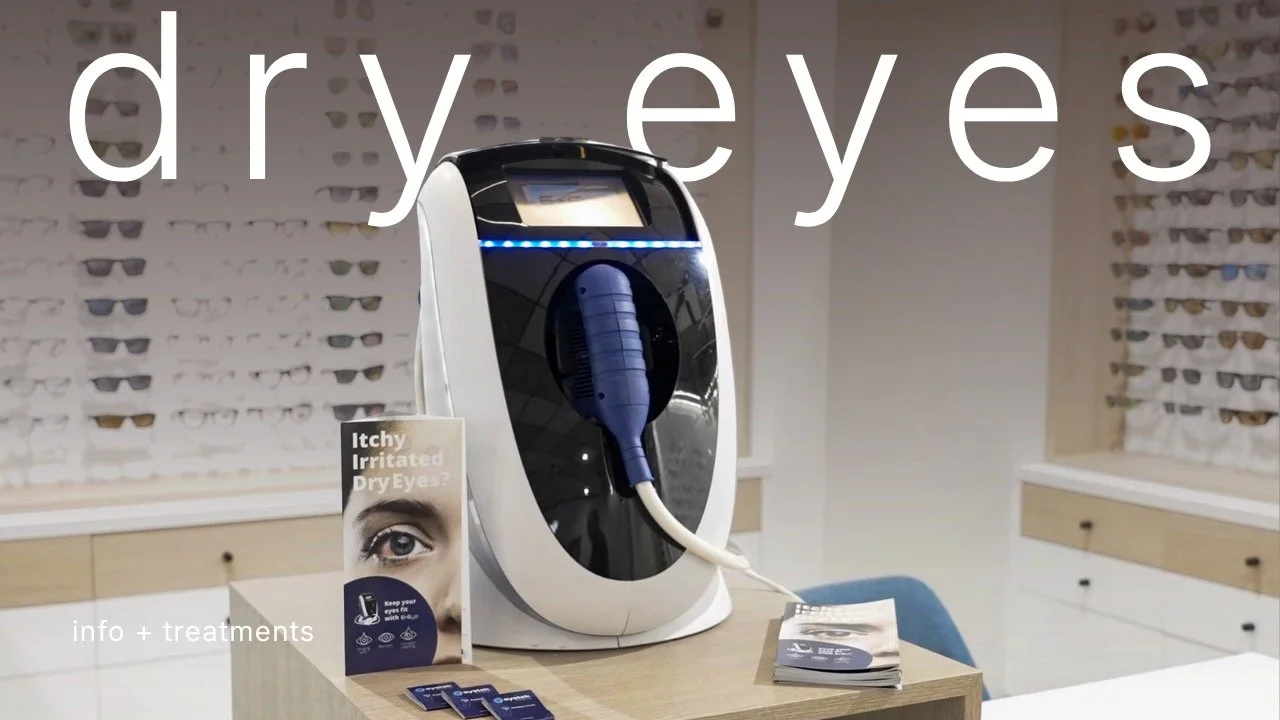
In this video, Andrew Bowden explains dry eye and the treatments we use at Envision Optical.
How we assess
Finding the cause first
Dry eye has many causes, and the right treatment depends on which one you're dealing with. Your dry eye assessment includes:
- Symptom questionnaire (OSDI) plus a detailed history of all risk factors and previous treatments
- Digital tear film analysis
- Tear volume testing
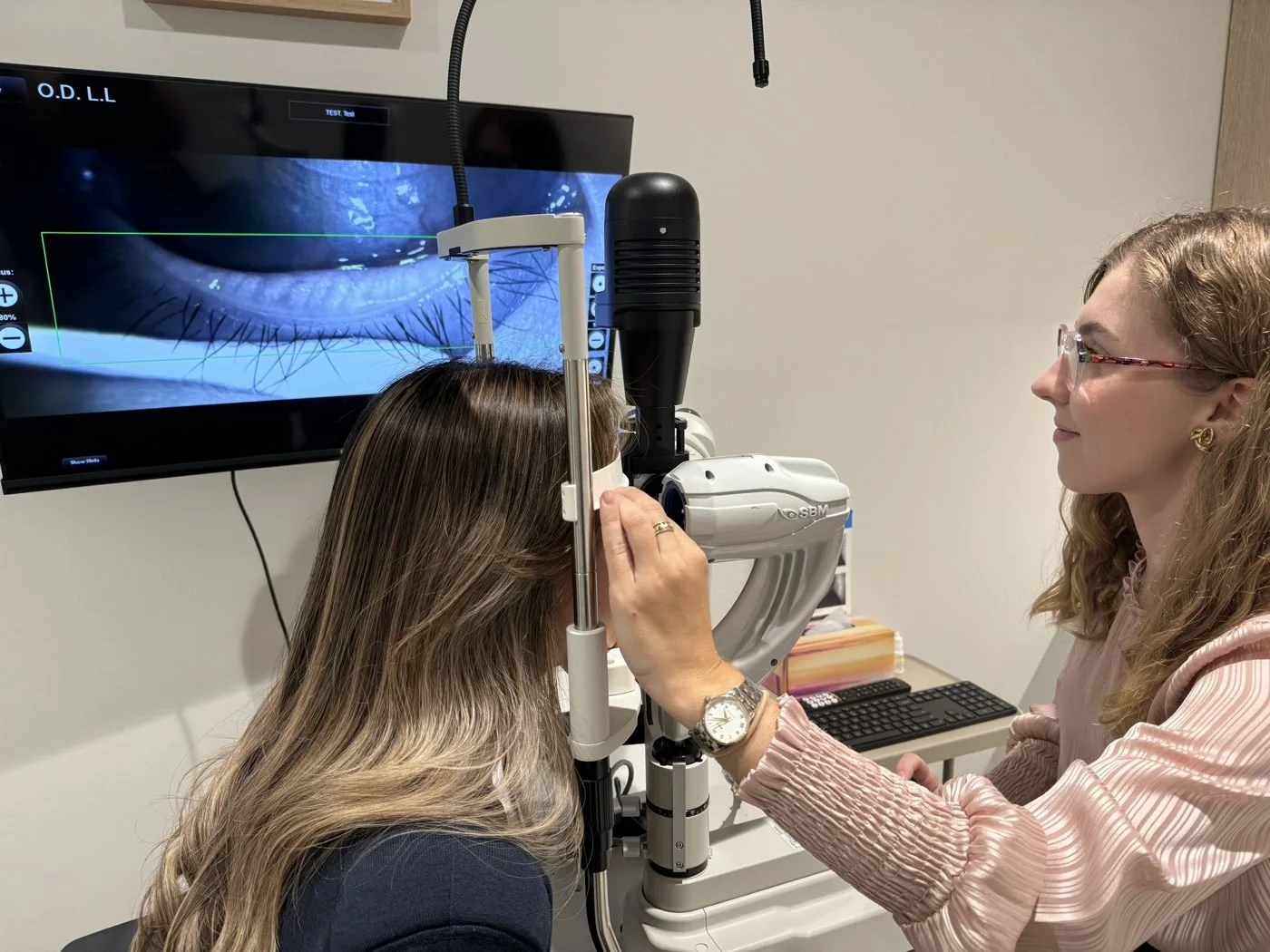
- Detailed microscope examination of the eye surface
- Dye staining and photography
- Infrared imaging of the meibomian glands
From there, your optometrist will explain what's going on and talk you through a treatment plan that suits you.

Treatment OPtions
Dry eye treatments matched to the cause
Most people do best with a mix of in-clinic treatment and simple care at home. Your optometrist will recommend what suits your eyes and review how you're going along the way.
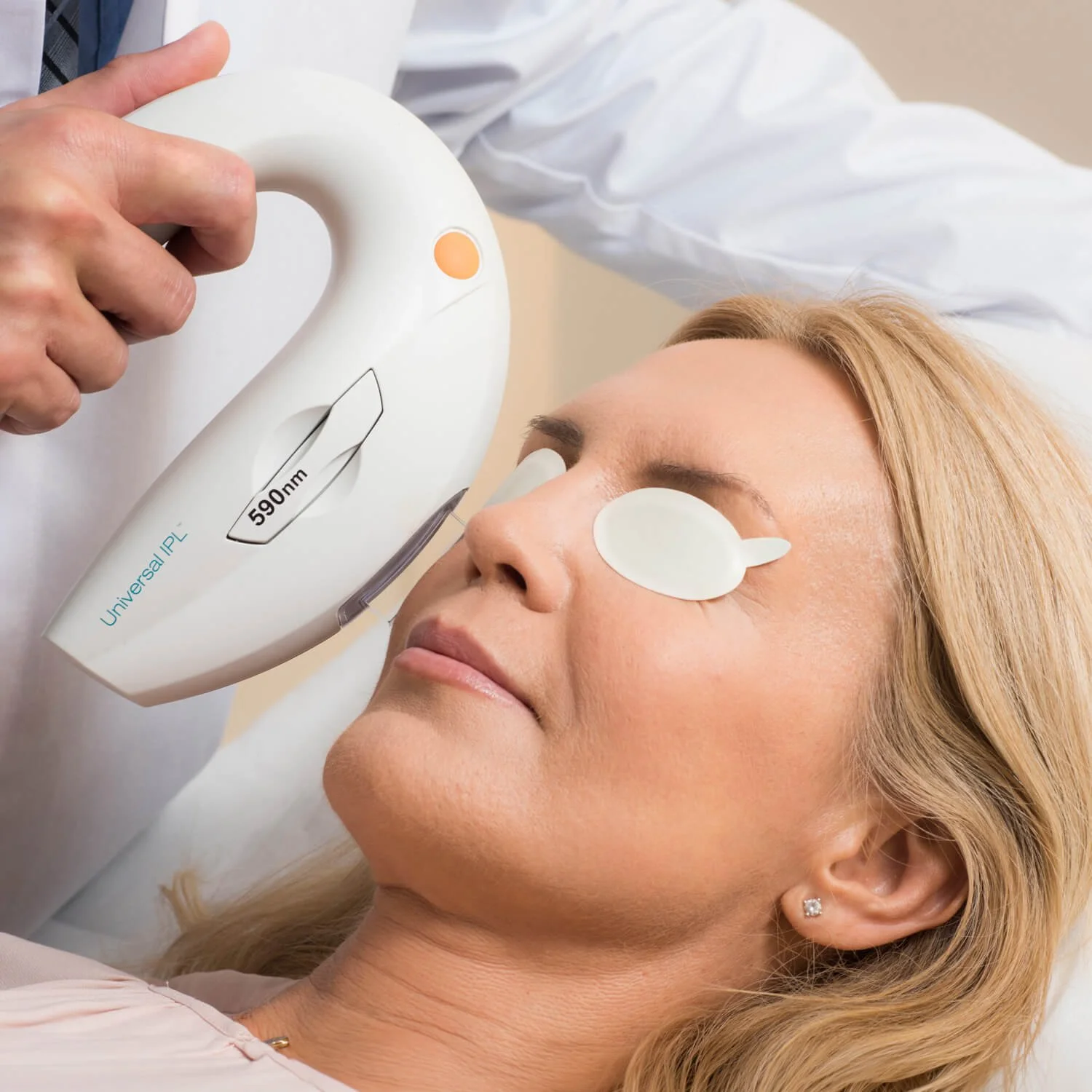
IPL (intense pulsed light)
Gentle pulses of light around the eyes help calm inflammation, warm and soften blocked oil glands, and reduce Demodex mites that can upset the tear film. Usually done as a course of around four to six sessions.
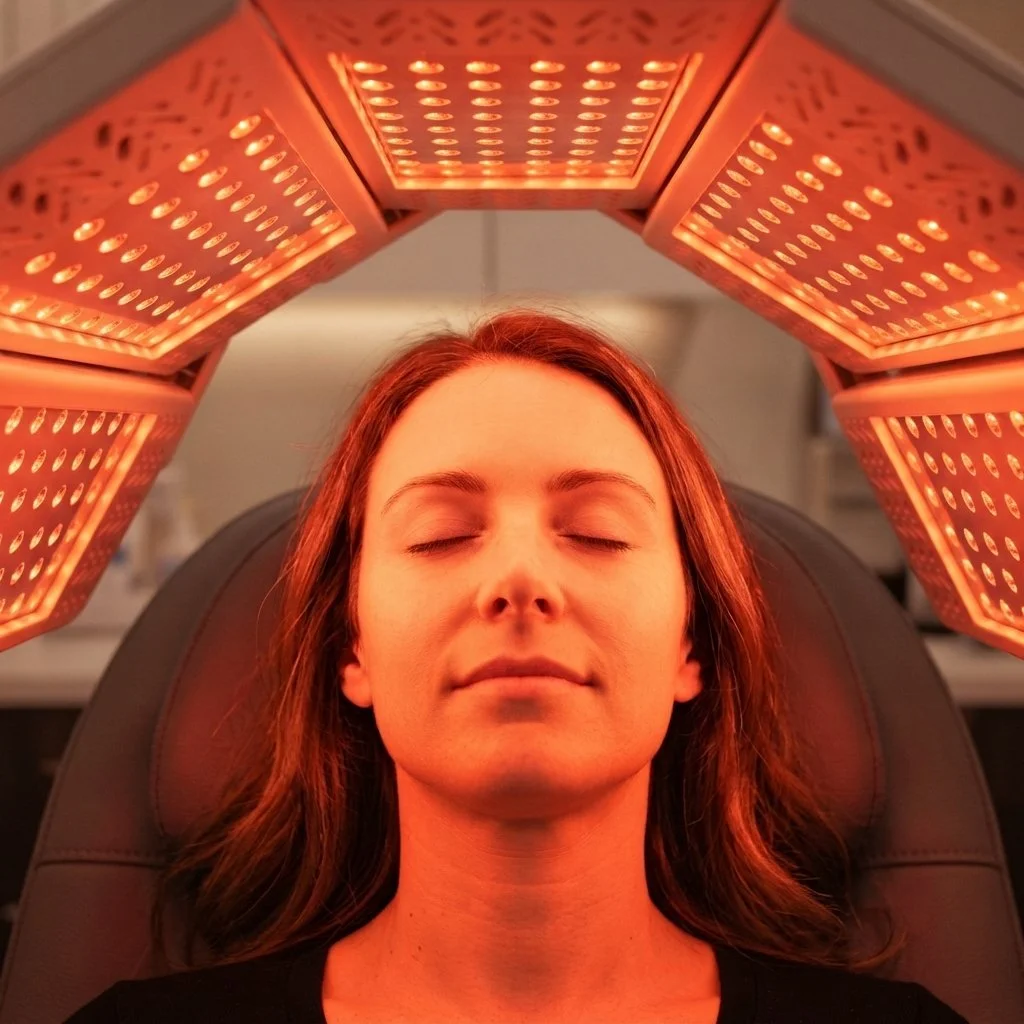
LLLT (low level light therapy)
Gentle red light from a curved panel over your face while you relax with your eyes closed, for around 20 minutes. It may help calm inflammation and support the oil glands along the eyelids.
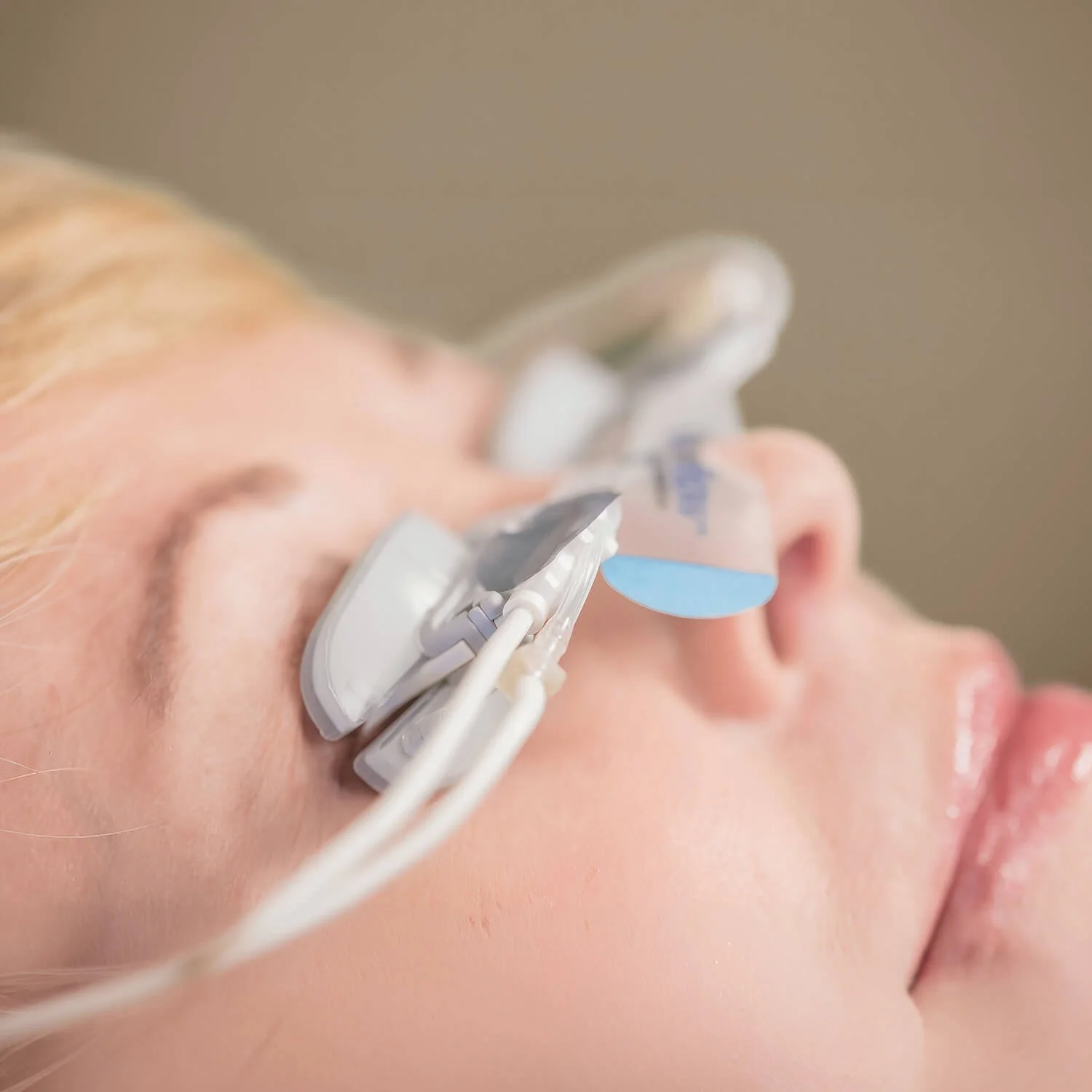
LipiFlow
A warm, massaging treatment that clears blocked meibomian glands so they can release oil into your tears again. Comfortable, non-invasive and done right here in clinic. Available at our Burleigh Waters clinic.
Other treatments we may recommend
Blephasteam and gland expression: heat therapy to loosen and clear blocked glands
MGDRx EyeBag: a simple warm compress for use at home
Blephadex wipes: gentle lid cleaning to manage Demodex mites
Specialised eye drops, including tear drops, steroids and ciclosporin drops chosen for your type of dry eye
Lacrimal lavage: flushing the tear drainage ducts
Punctal plugs: tiny plugs that help keep natural tears on the eye for longer
Nutrition advice: including omega 3 for tear quality
Who You’ll See
Local optometrists with a special interest in dry eye
Our dry eye care is led by principal optometrist Andrew Bowden, a past Vice President of The Dry Eye Society, and senior associate optometrist Lyndon Ferguson. Lyndon researched dry eye and ocular surface disease for his Master of Science in London and now co-chairs the Society's Education Committee, teaching other optometrists about dry eye care.
Both are therapeutically endorsed, so they can prescribe treatment as well as diagnose. Every dry eye patient gets the same careful, unhurried approach, whichever clinic you visit.

Between appointments
Everyday habits that help
01
Remove eye makeup thoroughly each night, and avoid applying liner along the inner lash line
02
Use a warm compress for five minutes, followed by gentle lid massage, a few times a week
04
Include oily fish such as salmon or sardines in your diet a few times a week
03
Remember to blink fully during screen work and reading
Questions
Dry Eye FAQs
-
For most people dry eye is uncomfortable rather than dangerous, but it shouldn’t be ignored. Ongoing dryness affects comfort and vision day to day, and if left untreated it can lead to infection or damage to the surface of the eye.
-
No. You can book a dry eye assessment directly with us at Burleigh Waters or Tweed Heads.
-
Drops can ease symptoms, and the right drop makes a real difference. But if the cause is blocked oil glands or inflammation, drops on their own often aren't enough. That's why we find the cause first, so you're treating the problem rather than just managing it.
-
It depends on the cause and how long you've had symptoms. IPL and LLT are usually done as a course of around 4 - 8 sessions, while other treatments are one-off or part of a home routine. Your optometrist will give you a clear plan, including costs, before you start.
-
Often, yes. Dry eye is one of the most common reasons lenses become uncomfortable, and treating it can help. We can also look at lens materials and care routines that suit drier eyes.
Ready to find out what’s causing your dry eyes?
Book a dry eye assessment at Burleigh Waters or Tweed Heads.
No referral needed.
Burleigh Waters
Treetops Plaza Shopping Centre, Shop 4B
7 Classic Way, Burleigh Waters QLD 4220
Tweed Heads
Tweed Health For Everyone Superclinic, Shop 4
33-35 Corporation Circuit, Tweed Heads NSW 2486