
NUTRITION • BURLEIGH WATERS & TWEED HEADS
Nutrition and eye health
What you eat plays a real part in looking after your eyes, especially as you get older. A few simple, everyday foods support the macula, the tear film and your long-term vision.
No referral needed · Two Gold Coast clinics
Why it Matters
Can food really help your eyes?
A healthy diet won't replace glasses or treatment, but research links good nutrition with healthier eyes over time. It's most closely linked to:
- Macular degeneration, the leading cause of vision loss in older Australians
- Cataracts, the clouding of the lens that comes with age
- Dry eye, where omega-3s can support a healthier tear film
- Diabetic eye disease, where steady blood sugar protects the retina
Talk to us about diet if you
How food helps
Eating for your macula
The macula is the small, central part of the retina you use for reading, driving and recognising faces.
The macula holds natural pigments called lutein and zeaxanthin, which help filter light and protect it from damage. Your body can't make them, so they come from what you eat, mainly dark leafy greens. Omega-3s from oily fish support the retina and the oily layer of your tears.
Food comes first
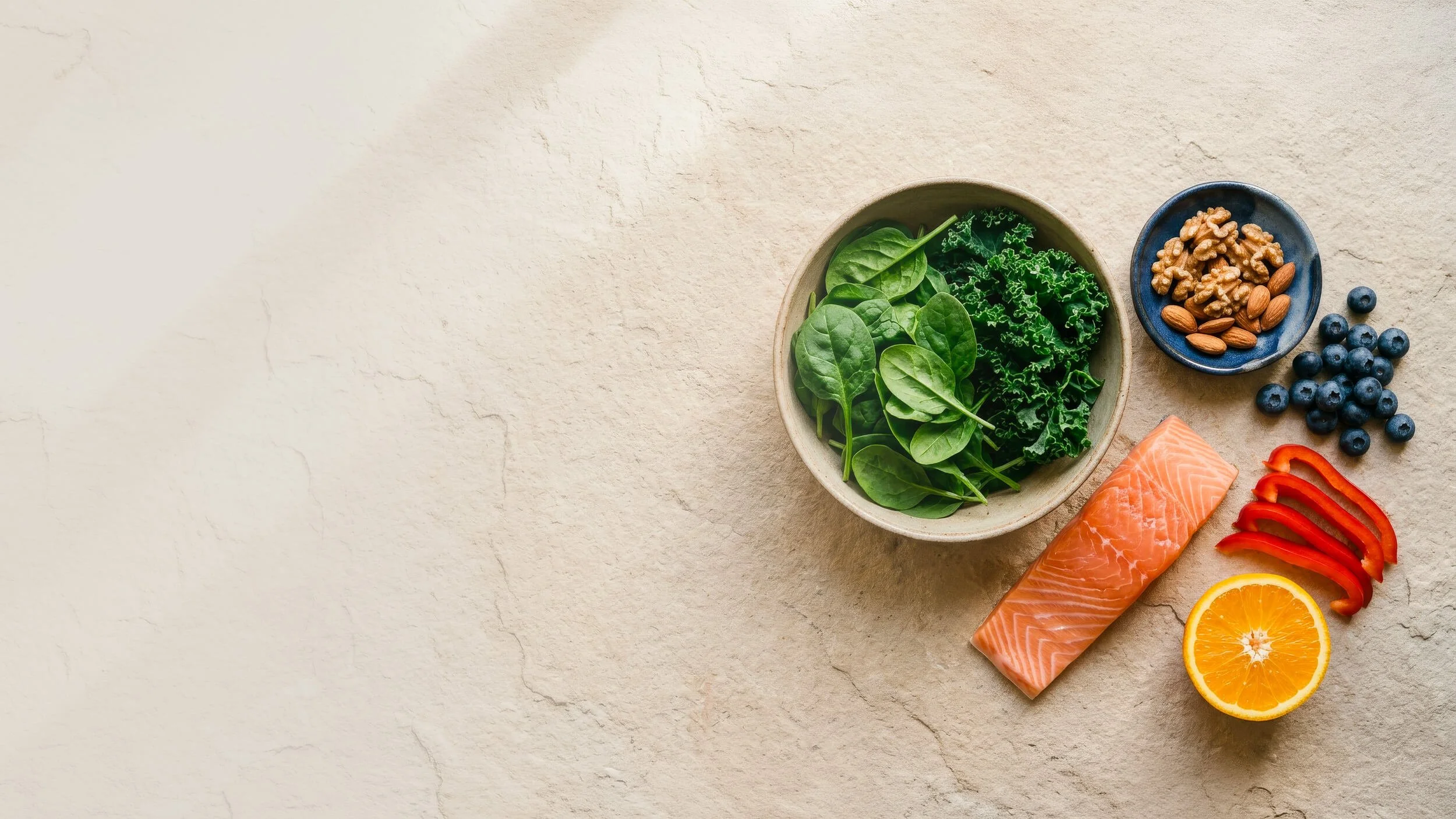
A varied diet with plenty of colourful vegetables, fruit, fish and nuts gives your eyes what they need. Mediterranean and Asian-style eating patterns have both been linked with healthier eyes.
Supplements aren't for everyone
A specific eye supplement can help some people with macular degeneration, but it isn't needed for healthy eyes. Some high-dose vitamins aren't suitable for smokers, so ask us before you start one.
Checking your eye health
Checking your macula first
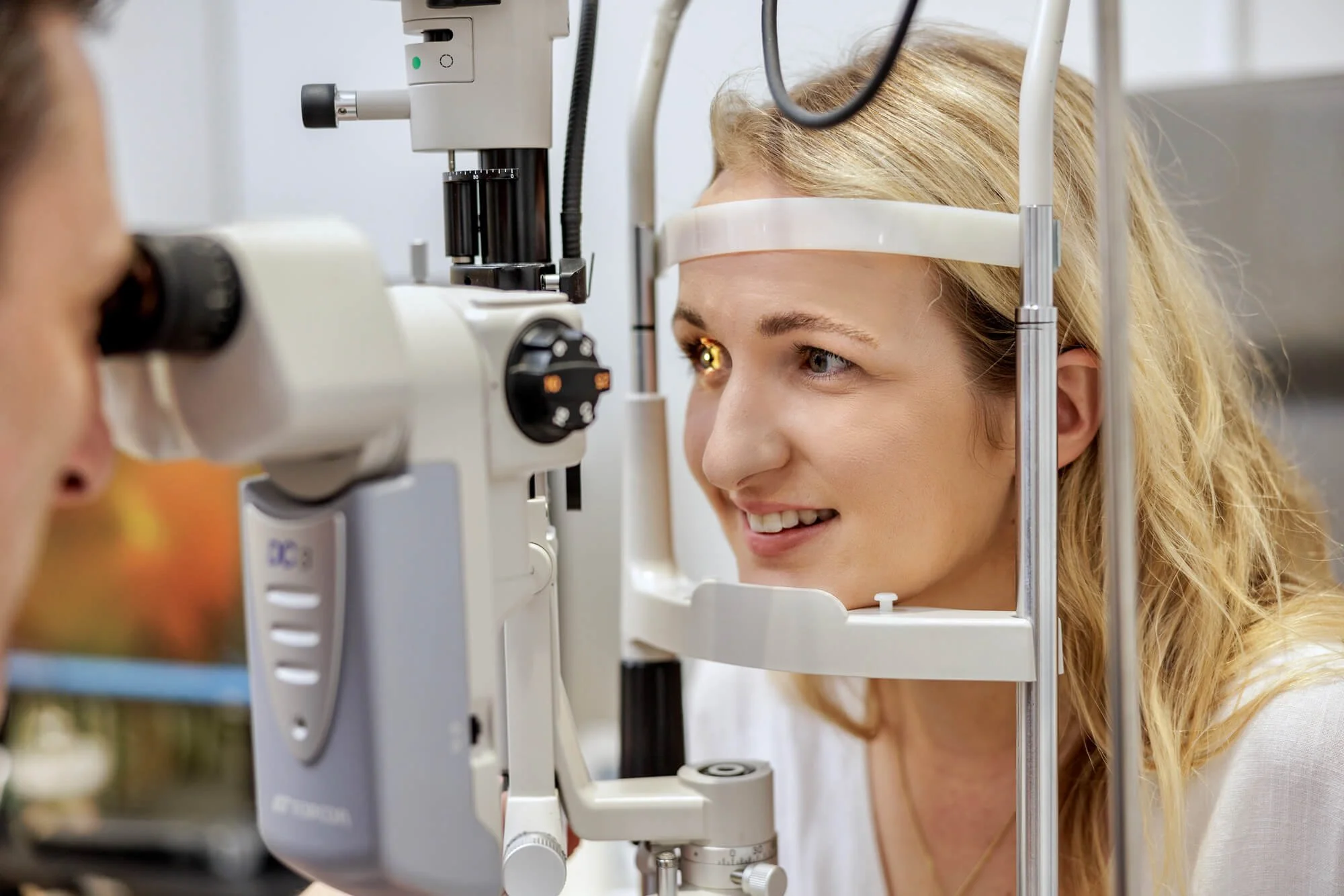
The best starting point is knowing how healthy your eyes are now. As part of your eye exam, we can check for early changes and give advice that suits you. This includes:
- A chat about your diet, smoking, health and family history
- An Optomap scan of the retina and macula
- OCT scanning for a closer look at the macula
- MPOD testing to measure your macular pigment density, which diet changes may help improve
- Advice on whether an eye supplement is right for you
If we find early signs of macular degeneration, we'll explain what they mean and how often to check.

FOODS FOR HEALTHY EYES
What to put on your plate
You don't need a special diet. Small, regular habits make the difference.
Dark leafy greens
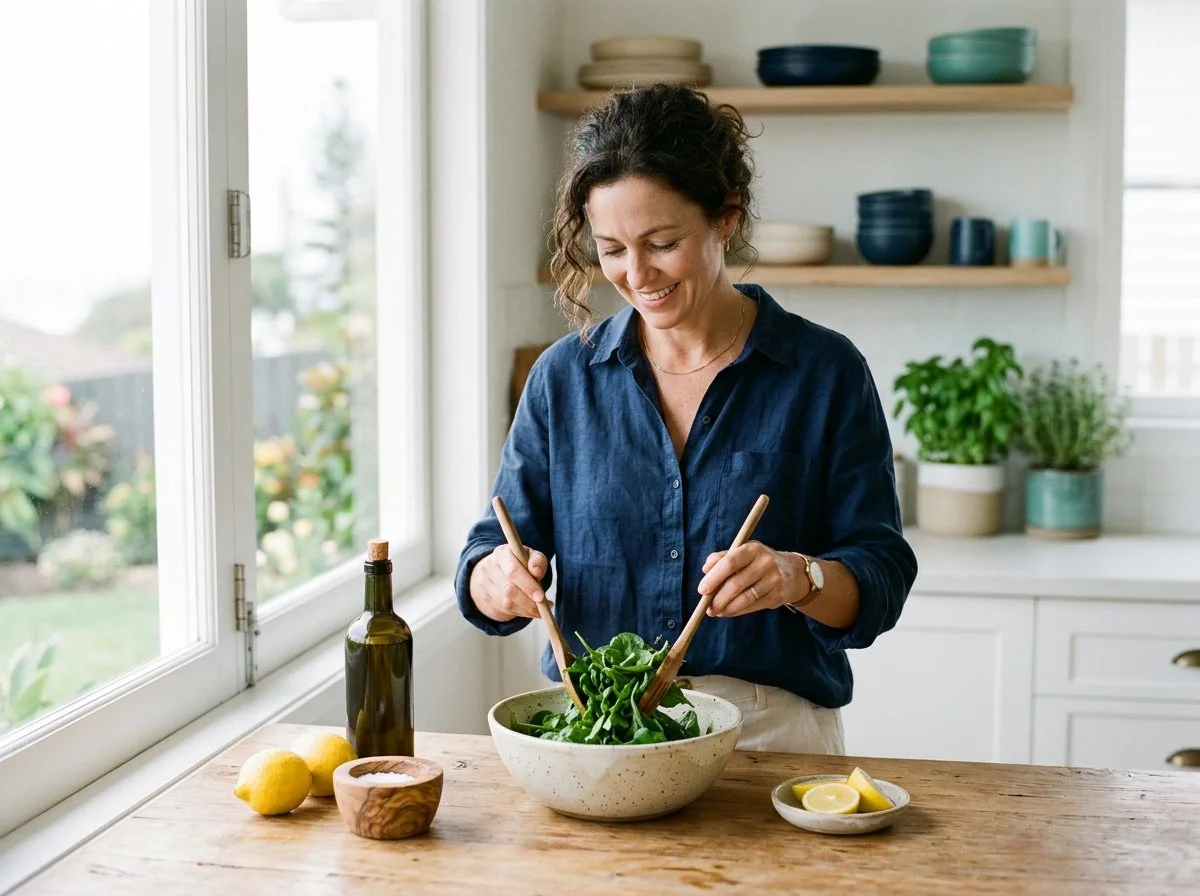
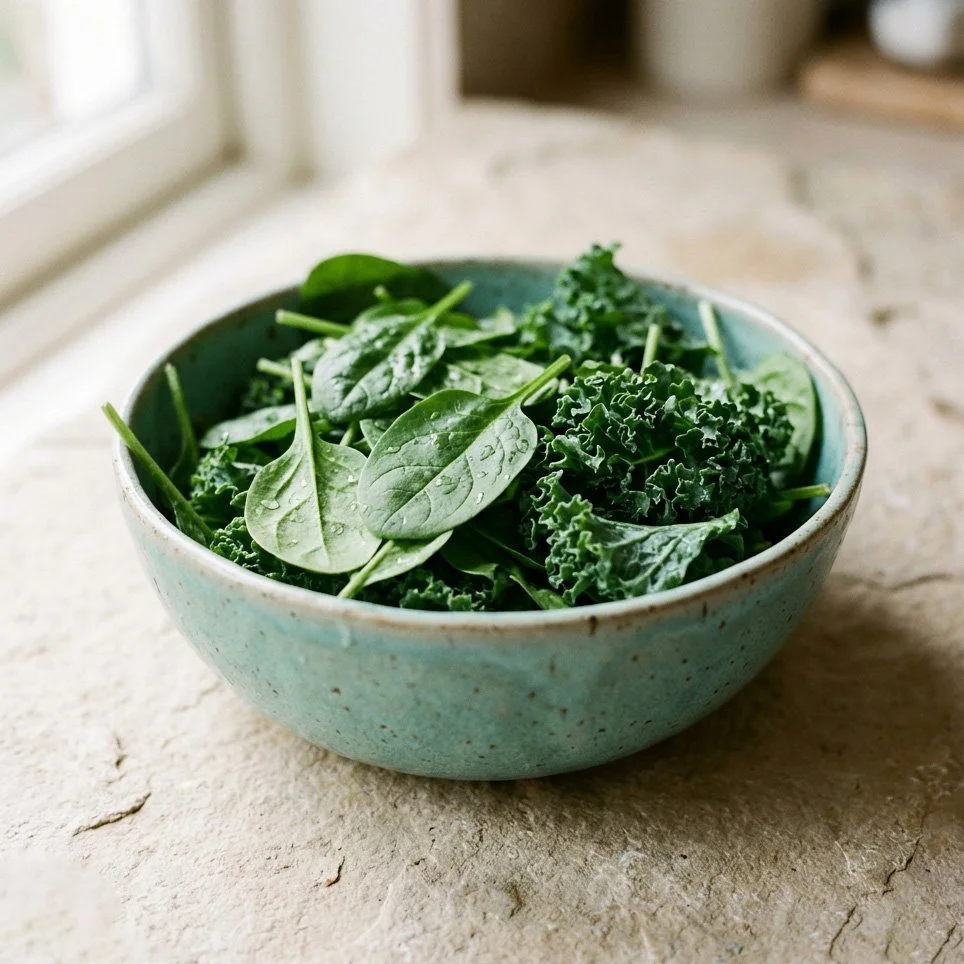
Spinach, kale, silverbeet and broccoli are rich in lutein and zeaxanthin, the pigments that protect the macula. Aim for some every day.
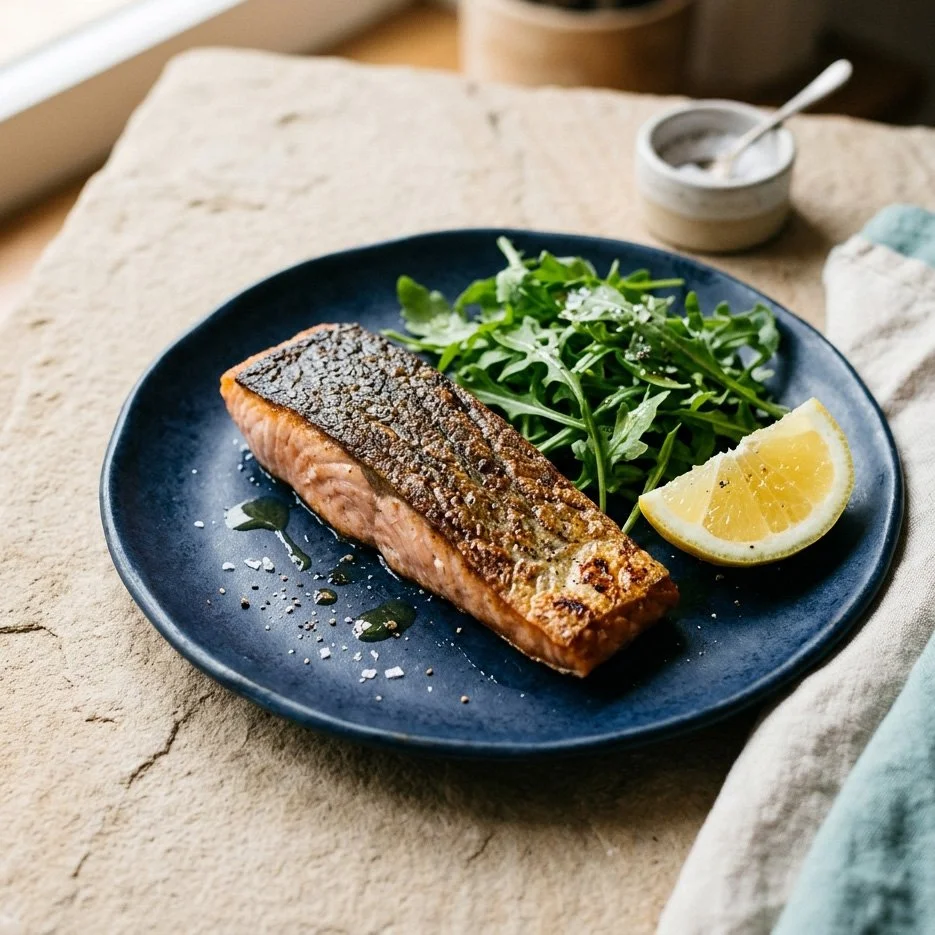
Oily fish
Salmon, sardines, mackerel and tuna are high in omega-3s, which support the retina and your tears. Aim for two to three times a week.
Also good for your eyes
Colourful fruit and vegetables: capsicum, citrus, berries and pumpkin for vitamin C and other antioxidants
Nuts and seeds: a handful a week, for vitamin E and healthy fats
Eggs: an easy source of lutein and zinc
Extra virgin olive oil: as your main oil, while keeping other fats low
Our food guide follows the recommendations of the Macular Disease Foundation Australia.
Who You’ll See
Advice that looks at the whole picture
Our team is led by principal optometrist Andrew Bowden, who has been caring for Gold Coast eyes since graduating from QUT with honours in 1995. We'll talk through diet and lifestyle as part of your care, alongside the latest treatments.

Between appointments
Everyday habits that help
01
If you smoke, quitting is the biggest single thing you can do for your eyes.
02
Eat dark leafy greens and colourful vegetables every day.
03
Have oily fish two to three times a week and a handful of nuts each week.
04
Wear sunglasses outdoors to protect your eyes from UV.
Questions
Nutrition FAQs
-
Most people with healthy eyes don't need one. A specific supplement may be recommended if you have certain stages of macular degeneration. We'll let you know if it would help you.
-
Not always. Some formulas contain high-dose beta-carotene, which isn't recommended for current or former smokers. Check with us or your GP before you start any supplement.
-
No diet can guarantee it, but a healthy diet, not smoking and regular eye checks can lower your risk and help pick up changes early.
-
Research suggests it may play a part. Large long-term studies have found that people who eat more leafy greens, such as spinach, kale and lettuce, have a lower risk of developing the most common type of glaucoma. Diet isn't a replacement for regular eye checks or treatment, though. Glaucoma often has no early symptoms, so checking your eye pressure and optic nerve at each exam is still the best way to catch it early.
-
Carrots support eye health, but they won't sharpen your vision or replace glasses. Leafy greens do more for the macula.
-
Omega-3s from oily fish may support a healthier tear film. They work best alongside dry eye treatment, not instead of it.
-
Yes, if it's relevant. Just ask, especially if macular degeneration runs in your family.
-
No. You can book directly at either clinic.
Ready to check in on your eye health?
Book online at Burleigh Waters or Tweed Heads. No referral needed.
Burleigh Waters
Treetops Plaza Shopping Centre, Shop 4B
7 Classic Way, Burleigh Waters QLD 4220
Tweed Heads
Tweed Health For Everyone Superclinic, Shop 4
33-35 Corporation Circuit, Tweed Heads NSW 2486