
MYOPIA CONTROL • BURLEIGH WATERS & TWEED HEADS
Myopia control on the Gold Coast
Short-sightedness usually gets worse as children grow. Stronger glasses each year fix the blur, but they don't slow it down. We look at why your child's eyes are changing, then build a plan to help slow it.
No referral needed · Two Gold Coast clinics
Signs and Causes
Is your child's distance vision slipping?
- Squinting to see the board, the TV or road signs
- Sitting close to screens or holding books near their face
- Headaches or tired eyes after school
- Rubbing their eyes or blinking a lot
- Losing interest in sport or outdoor play
- A prescription that gets stronger at every check
Most kids have more than one of these going on, which is why we look at the whole picture.
Common risk factors
Understanding Myopia
Why myopia keeps progressing
Myopia isn't just blurry vision. It's an eye that's growing too long.
When the eyeball grows longer than it should, light focuses in front of the retina instead of on it. Close things stay clear while distance turns blurry. Because children's eyes are still growing, myopia usually keeps progressing into the late teens.
Why it's becoming more common
Less time outdoors and more close work, especially on screens, are both linked to the rise. Researchers expect around half the world's population to be short-sighted by 2050.
Why slowing it matters
A longer eye is a more stretched eye. Higher myopia is linked with a greater risk of retinal detachment, glaucoma and macular problems later in life. Slowing progression in childhood is about protecting their eyes for the long term.
How we assess
Measuring the change first
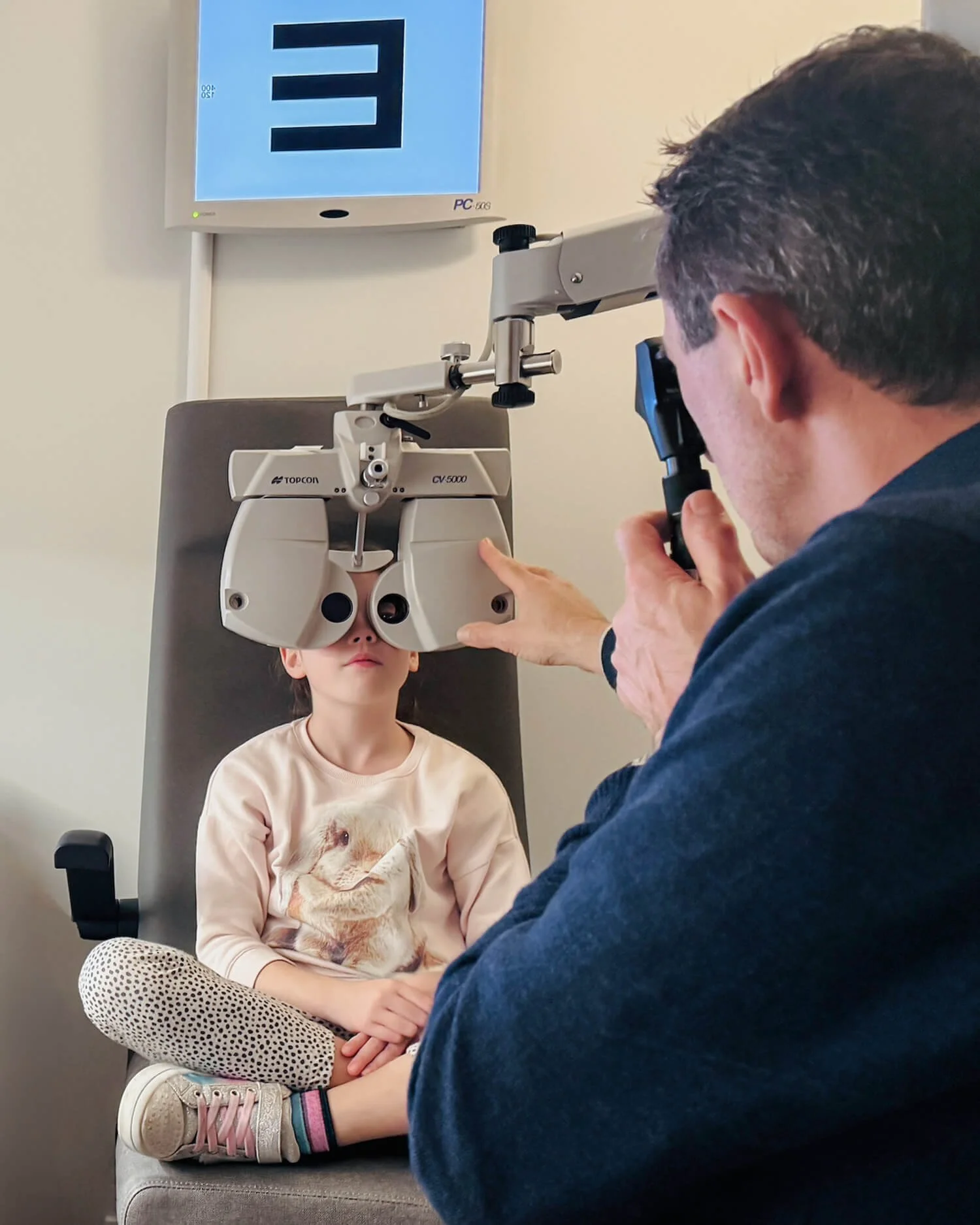
Every myopia plan starts with a detailed assessment. It shows how quickly your child's eyes are changing and which treatment will suit them. Your myopia assessment includes:
- A chat about family history, screen time, outdoor time and school
- Detailed vision and prescription testing
- Focusing and eye teaming (binocular vision) assessment
- Corneal mapping (topography)
- Eye length measurement using OCT Biometry scans
- A full eye health check
From there, your optometrist will talk you through the treatment options, what each involves and how we'll track progress.
Treatment OPtions
Myopia treatments matched to your child
Most children start with one main treatment, chosen around their age, prescription, risk of progression and lifestyle. We check progress regularly and adjust the plan if we need to.
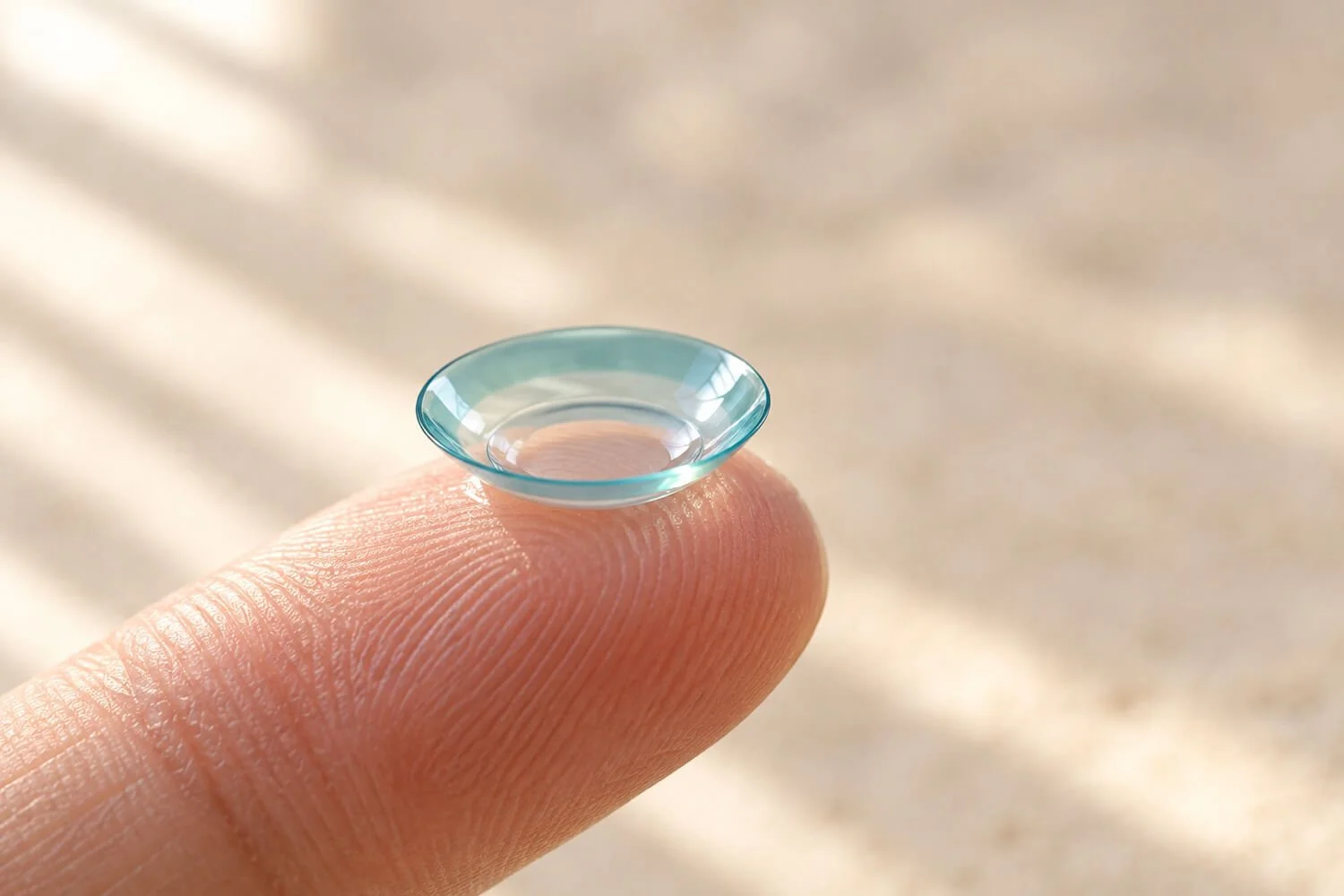
Ortho-K
Custom contact lenses worn overnight that gently reshape the front of the eye while your child sleeps. They wake up seeing clearly, with no glasses or daytime lenses, and the lens design is used to help slow myopia. We've been fitting Ortho-K since 2003.
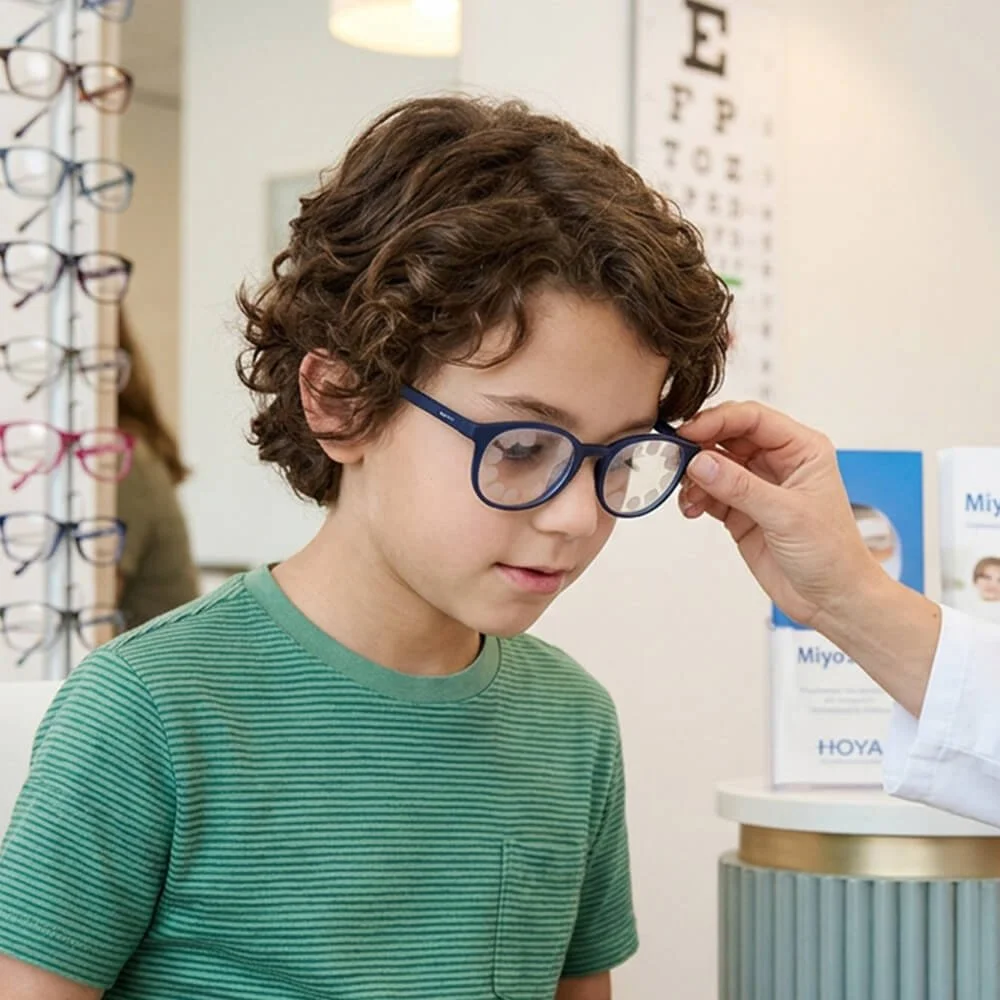
MiYOSMART glasses
Spectacle lenses that correct distance vision while giving the eye a signal designed to slow its growth. A simple option for younger children. We've been accredited to prescribe them since 2020.
Other treatments we may recommend
MiSight or Abiliti 1 day: daily soft contact lenses designed for myopia control
Multifocal soft lenses: monthly contact lens options suited to some children
Eye drops: sometimes prescribed alongside lenses
Regular reviews: progress checks every three to six months
Lifestyle plan: outdoor time and screen habits that support treatment
Who You’ll See
Local optometrists with a special interest in myopia
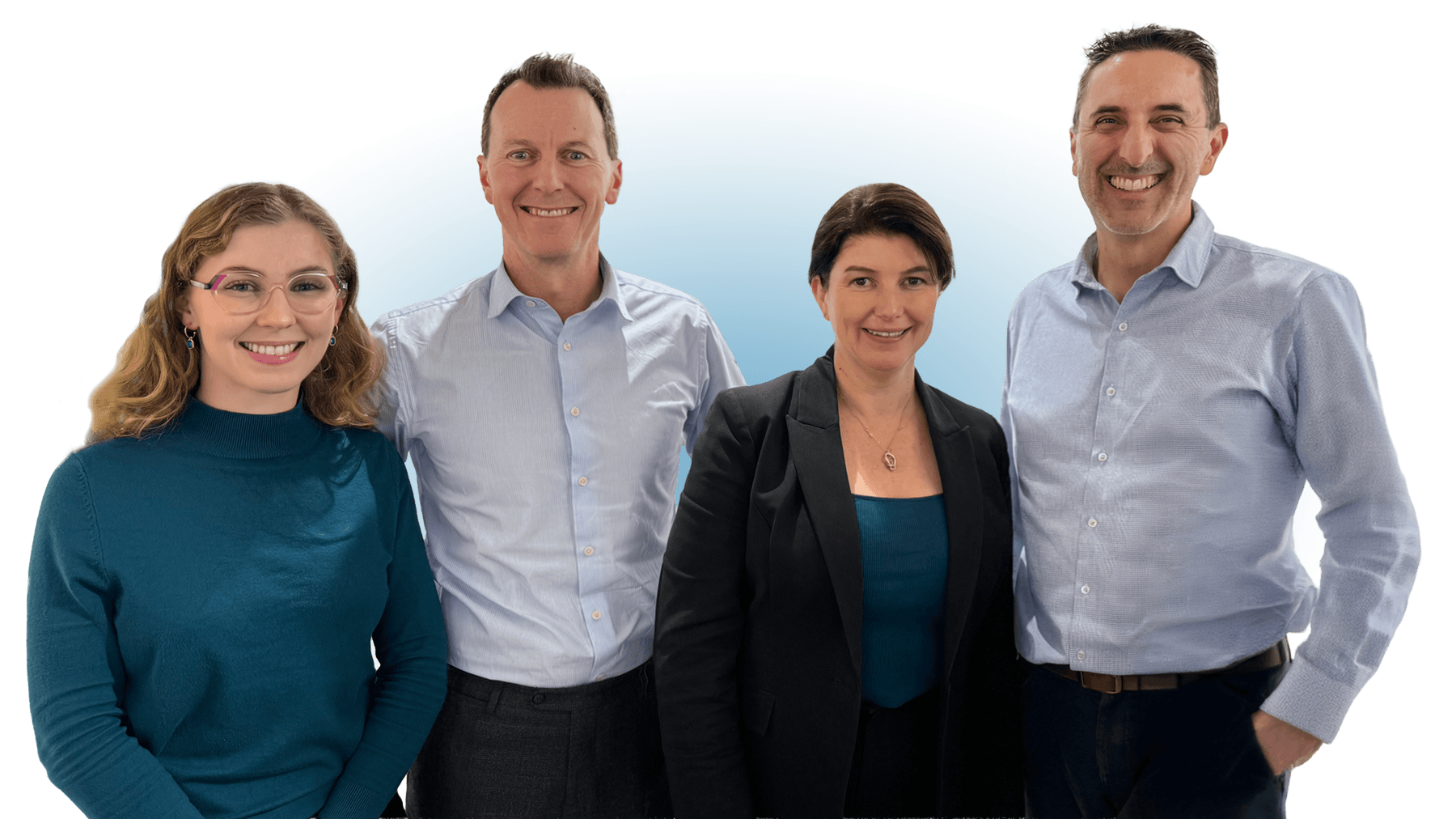
Our team is led by principal optometrist Andrew Bowden, who has been caring for Gold Coast eyes since graduating from QUT with honours in 1995. With a strong family history of myopia, Andrew wanted to do more than prescribe stronger glasses each year, and myopia management has been a focus of the practice ever since.
Between appointments
Everyday habits that help
01
Get outside every day. Aim for at least 90 minutes of outdoor time, with a hat and sunnies.
02
Every 20 minutes of close work, look at something across the room or out the window.
04
Book a yearly eye check, even if your child isn't complaining about their vision.
03
Keep books and screens at about elbow length, and keep recreational screen time in check.
Questions
Myopia FAQs
-
Any time you notice signs, and ideally before they start school. If one or both parents are short-sighted, and/or of Asian heritage, an earlier check is worth it.
-
No treatment reverses myopia. Treatment aims to slow how quickly it progresses, while glasses or contact lenses still correct the blur.
-
No. You can book a myopia assessment directly at either clinic.
-
Ortho-K is widely used with children. Like any contact lens, it needs good hygiene and regular check-ups, and we teach you both how to care for the lenses.
-
It depends on your extras cover. Glasses and contact lenses are often covered under optical, so check with your fund.
-
Myopia usually settles in adulthood, so treatment focuses on children and teens. Short-sighted adults still benefit from regular eye health checks.
Ready to get ahead of your child's myopia?
Book a myopia assessment at Burleigh Waters or Tweed Heads.
No referral needed.
Burleigh Waters
Treetops Plaza Shopping Centre, Shop 4B
7 Classic Way, Burleigh Waters QLD 4220
Tweed Heads
Tweed Health For Everyone Superclinic, Shop 4
33-35 Corporation Circuit, Tweed Heads NSW 2486